
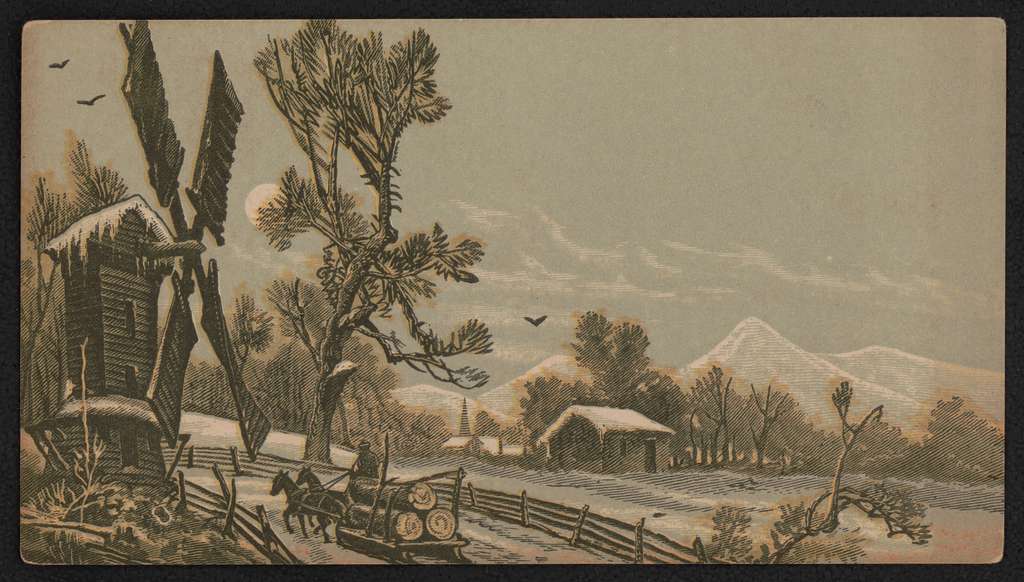
If your colonial family came from Maine like mine did, they were likely engaged in or supported the lumber industry. Later, when the local forests were depleted and barren, many of those Mainers headed west to Minnesota and other regions where pine was still plentiful. Thus it was with my grandmother’s maternal family who relocated from Penobscot County, Maine to Monticello, Minnesota. After farming for a bit, the Stanwoods returned to what they knew best – logging!
In the image below, my second great grandfather, Albert Stanwood, appears on the right, sitting next to the gentleman with his head turned away from the camera. Albert and his three eldest sons, Benjamin, Bert and Fred, lumbered in Floodwood, a town in Saint Louis County, Minnesota, near Duluth.

It is mind-boggling to me that these lumberman endured the brutal freezing temperatures which are the norm in Minnesota. Winters were for felling trees, while Spring provided the flowing rivers to transport the pine to its destination. By time the photographer snapped the image below, warmer days were upon the workers, and their winter’s efforts – miles and miles of logs – were stacked and ready to be driven downstream or hauled to the railroad for distribution.

While the tents depicted in the next image may have been fine for warmer temperatures, can you imagine spending even single night in one with below-zero temps?

At first glance the postcard below appears to display a simple bridge with an arrow pointing to the nearby home of Albert Stanwood, but a closer inspection reveals logs – and lots of them!- in the river.

Last but not least the photographer captured the machinery used to load the pine which had been sawn or hewn into ties.

This evening I’m thankful these images have survived over a century, having been preserved by my grandmother who was very proud of her New England roots.